
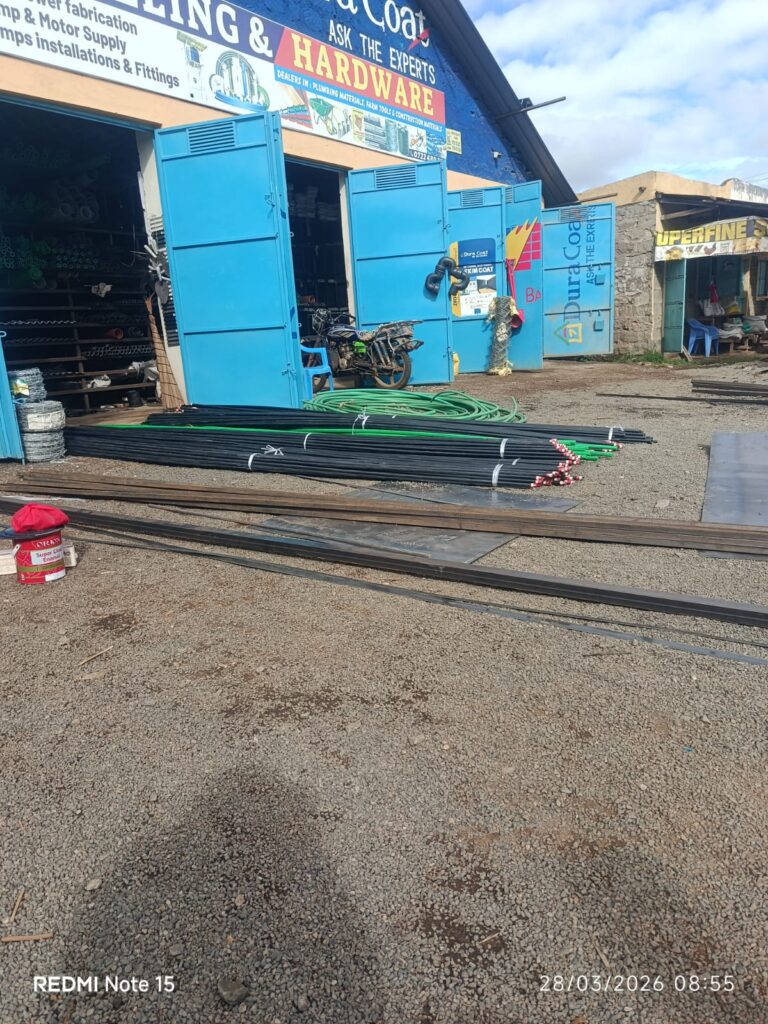
Construction in Kenya is rapidly growing, driven by urbanization, infrastructure development, and increased demand for housing. Whether you are building a residential home, commercial property, or undertaking renovations, choosing the right building materials is critical to the success of your project. At NICS Hardware and Borehole Services, we understand the importance of quality materials in ensuring durability, safety, and cost efficiency.
This guide explores the essential building materials required for construction projects in Kenya and how to choose them wisely.
Cement: The Backbone of Construction
Cement is one of the most important materials in any construction project. It acts as the binding agent in concrete and mortar.
Types of Cement in Kenya:
- Ordinary Portland Cement (OPC): Ideal for structural works such as columns and beams.
- Portland Pozzolana Cement (PPC): Suitable for plastering and masonry due to its smooth finish.
- Rapid Hardening Cement: Used in projects that require quick setting.
Tips for Choosing Cement:
- Always check for KEBS certification.
- Ensure the cement is fresh (avoid hardened or lumpy bags).
- Store in a dry place to prevent moisture damage.
Sand: The Foundation of Strength
Sand is used in concrete, mortar, and plastering. The quality of sand directly affects the strength of structures.
Types of Sand:
- River Sand: Preferred for construction due to its smooth texture.
- Pit Sand: Used in masonry work.
- M-Sand (Manufactured Sand): An alternative to natural sand.
Key Considerations:
- Avoid sand with high clay content.
- Ensure proper grading (particle size distribution).
- Wash sand if necessary to remove impurities.
Ballast (Coarse Aggregates)
Ballast is mixed with cement and sand to form concrete. It provides strength and bulk.
Common Sizes:
- ½ inch (for slabs)
- ¾ inch (general construction)
- 1 inch (heavy-duty structures)
Quality Tips:
- Should be clean and free from dust.
- Avoid flaky or elongated stones.
- Ensure consistent size for uniform mixing.
Steel Reinforcement (Rebars)
Steel bars are used to reinforce concrete structures, making them resistant to tension.
Types:
- Mild Steel Bars
- Deformed Steel Bars (High Yield Strength)
Buying Tips:
- Check for standard markings.
- Avoid rusted or bent bars.
- Buy from reputable suppliers like NICS Hardware.
Bricks and Blocks
These form the walls of a structure.
Types:
- Machine-Cut Stones: Common in Kenya, strong and uniform.
- Concrete Blocks: Cost-effective and easy to install.
- Clay Bricks: Durable and aesthetically appealing.
What to Check:
- Uniform size and shape.
- No cracks or weak edges.
- Proper curing (for blocks).
Roofing Materials
Roofing protects the structure from weather elements.
Options:
- Corrugated Iron Sheets (CGI)
- Tiles (Clay or Concrete)
- Stone-Coated Roofing Sheets
Selection Tips:
- Consider durability and weather resistance.
- Factor in cost and aesthetics.
- Ensure proper installation to prevent leaks.
Plumbing Materials
Essential for water supply and drainage systems.
Common Materials:
- PVC pipes
- HDPE pipes
- Fittings and valves
Tips:
- Use high-quality pipes to avoid leaks.
- Ensure proper pipe sizing.
- Hire skilled plumbers for installation.
Electrical Materials
Electrical components ensure safe power distribution.
Key Items:
- Cables and wires
- Switches and sockets
- Circuit breakers
Safety Tips:
- Use certified electrical materials.
- Avoid cheap counterfeit products.
- Always involve a licensed electrician.
Finishing Materials
These enhance the appearance and functionality of a building.
Examples:
- Paints
- Tiles
- Gypsum boards
- Ceiling materials
Considerations:
- Choose durable and easy-to-maintain finishes.
- Match materials with design preferences.
- Balance cost and quality.
Water Supply Systems
Reliable water is crucial during and after construction.
Installing a borehole ensures a steady water supply, especially in areas with unreliable municipal water.
Conclusion
Choosing the right building materials is essential for the success of any construction project. Quality materials ensure durability, safety, and long-term savings. At NICS Hardware and Borehole Services, we provide a wide range of trusted construction materials to meet your needs.
Whether you are a contractor, developer, or homeowner, investing in quality materials is the first step toward a successful project.


Your collaboration on your projects
are top-tier.Im blown away by your contributions.